



AFRO-TOURISM: Rio de Janeiro & Paraty
¡Compartí esta propuesta en tus redes!
Información general
6 Nights / 7 Days
Here is the complete translation of your itinerary into English, formatted for clarity and professional presentation.
General Information
AFRO-TOURISM II – RIO DE JANEIRO & PARATY
Includes: 6 nights / 7 days
4 nights with breakfast in Rio de Janeiro.
2 nights with breakfast in Paraty.
Arrival and departure transfers.
“Little Africa” Tour.
Rocinha Favela Tour.
Samba Museums & Museum of Afro-Brazilian History and Culture Tour.
“Backstage of Carnival” Tour at Samba City.
“Coffee Haciendas” Tour with a visit to the Senzala (slave quarters).
Rio / Paraty / Rio transfers.
Night City Tour in Paraty.
“Quilombolas” Tour in Paraty.
Bilingual guide (English or Spanish).
Rates per person
(** Not applicable during Brazilian holidays or event periods)*
Hotels:
South American Copacabana + Pousada Porto Imperial 4*
SINGLE: USD 2,000 / DOUBLE: USD 1,514 / TRIPLE: USD 1,428
Savoy Othon + Vila do Porto 3*
SINGLE: USD 1,614 / DOUBLE: USD 1,338 / TRIPLE: USD 1,260
Program:
Day 1: RIO DE JANEIRO
Arrival in the city of Rio de Janeiro, reception at the airport, and transfer to the hotel. Check-in and free time for the rest of the day.
Day 2: RIO DE JANEIRO
Breakfast and departure for the Little Africa Tour.
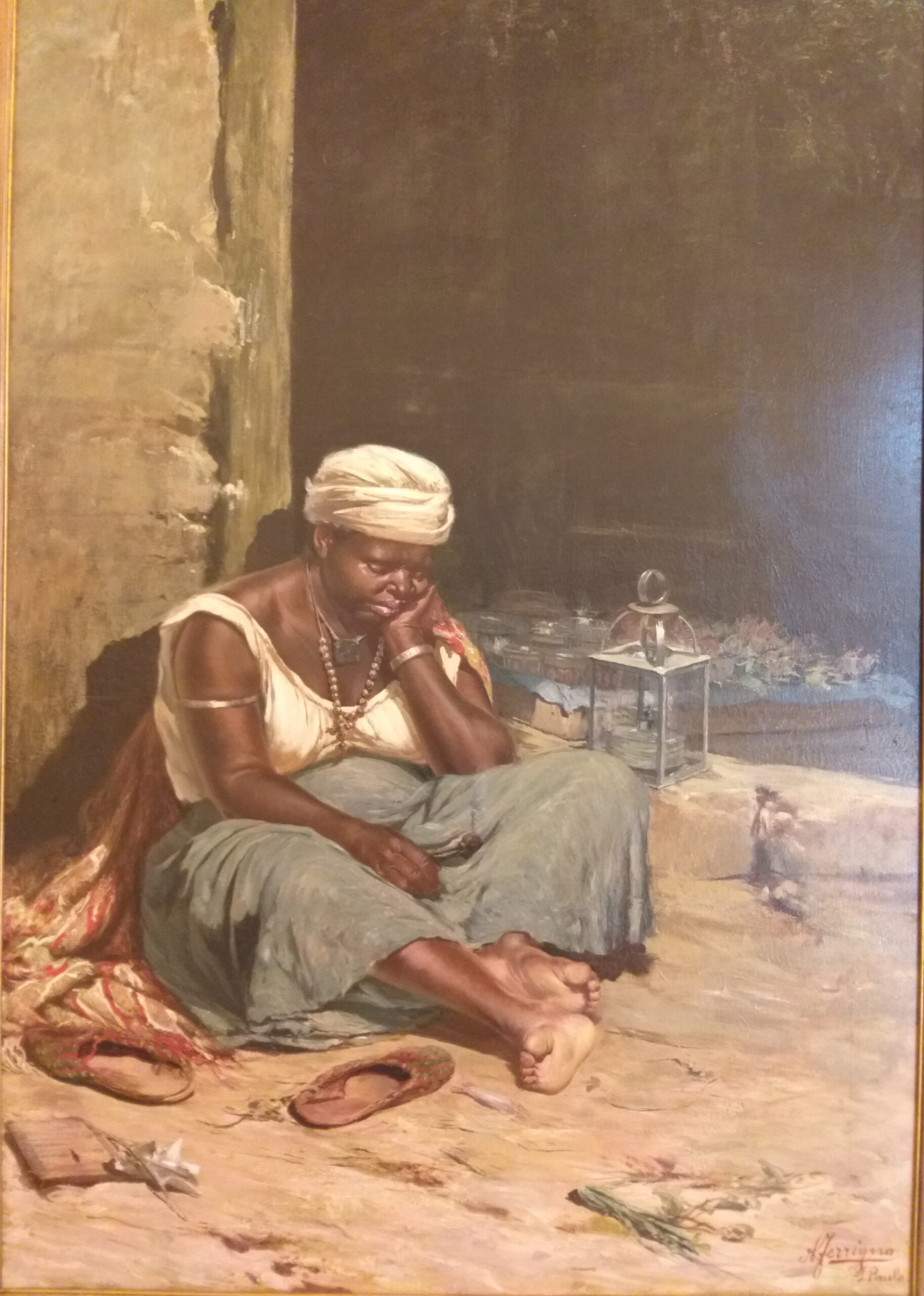
This tour is a journey through the history of slavery and its transformation and adaptation in the city. The route takes place along one of the global African Diaspora Routes and is part of the UNESCO Slave Route Project. It is a walk down memory lane with Africans and their descendants. This tour is essential for black consciousness against global racism and for highlighting the value of Black history and culture.
The narrative is decolonial, reflective, and educational. The route highlights the most important port of the former slave system: the Valongo Wharf archaeological site and the Pretos Novos Institute, both inscribed on the UNESCO World Heritage List in 2017. It is a tour of memory, pain, struggle, and—above all—the resistance of the Afro-Brazilian people. They reinvented themselves within the diaspora, influencing civilizing values and building the national identity so vital to Brazil. Our language, food, music, and the very soul of Brazil were born in Africa.
Sites: Praça XV / Candelária Church / Olympic Boulevard / Rosa Preta / Praça Mauá / MAR (Rio Art Museum) / Museum of Tomorrow / Largo São Francisco da Prainha / São Francisco da Prainha Church / Conceição Hill / Pedra do Sal / Eduardo Kobra "Etnias" Graffiti / Valongo Wharf / IPN Cemetery of the New Blacks (Optional Point). Return to the hotel.
Fotos de Thiago Lara / Fotos Alexandre Macieira - Riotur
In the afternoon: Rocinha Favela Tour.
(Conducted in an open-air Jeep): Spreading above the city's wealthiest neighborhoods with over 150,000 inhabitants, Rocinha is the largest favela in Brazil. This contrast and its unique peculiarities can be summarized in one word: IMPRESSIVE! As you can imagine, Rocinha is a set of contrasts. Our guests share that this tour is a once-in-a-lifetime experience—something positive and exciting. By taking this experiential tour, visitors enter the community to see a side of Rio beyond the postcards. Expert guides present the history of Brazil, Rio de Janeiro, industrialization, and national expansion, explaining how Rio's favelas have always played a vital role in the city's fabric. Here, you will see people with limited financial means but unlimited smiles. Exploring the favela means seeing streets full of vitality. Interact with local artisans selling their products in a picturesque setting. Part of the tour is on foot for a personal experience with the community. Leaving Rocinha, the Jeep passes through São Conrado beach—where hang gliders land—returning via Niemeyer Avenue, Leblon, Ipanema, and Copacabana.
Day 3: RIO DE JANEIRO
Breakfast and departure for the Samba Museum Tour.
Samba Museum: This is the "Territory of Samba." Located in the most poetic and traditional heart of Rio’s samba, the Mangueira neighborhood in Northern Rio. The museum offers a rich cultural and educational program with permanent and traveling exhibitions, musical events, and multimedia displays. It houses the Samba Documentation and Research Center, containing the largest heritage and audiovisual archive of this musical genre. It is a place of memory and representation of Afro-Brazilian culture; its work led to the consecration of Samba as a Cultural Heritage of Brazil.

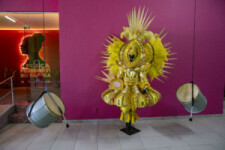
Fotos Alexandre Macieira - Riotur.
Next, we visit the Museum of Afro-Brazilian History and Culture (MUHCAB), located in "Little Africa." This museum tells the story of the region that witnessed the largest landing of enslaved Africans in the world, marking important milestones of Black affirmation in Brazil and the development of Afro-Brazilian culture.
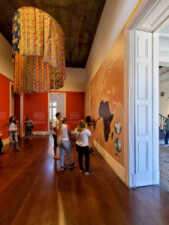
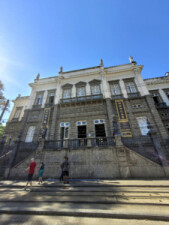
Fotos Thiago Lara - Riotur
In the afternoon: “Backstage of Carnival” Tour at Samba City.
The "Carnival Experience" program presents the universe of Rio's Samba Schools, the behind-the-scenes creation of the show, and the history of Carnival. The story is told by the NGO Pimpolhos da Grande Rio. In partnership with their "mother school," Acadêmicos do Grande Rio, they open the doors to the playful universe of carnival. With over 90 samba schools and 100,000 participants, thousands of professionals—musicians, choreographers, artisans, and producers—work year-round for this festival. This experience allows visitors to understand how the greatest party on Earth is prepared.
Day 4: RIO DE JANEIRO
Breakfast and departure for a Full Day Tour of a Coffee Hacienda.
This tour visits a Coffee Hacienda from the Brazilian Imperial era in the Vassouras region (Paraíba Valley). These estates invite visitors on a journey back to the time of the "Coffee Barons," their customs, lifestyles, the slave regime, and the production of one of Brazil's most important economic cycles: the Coffee Boom.
The haciendas feature the main house where families lived and merchants were received. Alongside the richly decorated main house, you can visit the warehouses where massive sacks of coffee were stored before being transported by mules to the port of Rio for export to Europe. The architectural complex is completed by the Senzalas (slave quarters). These were the living quarters for enslaved Africans—sites where the lives of thousands of people unfolded. Hear historical facts and anecdotes of Africans from different parts of the continent forced to live in extremely harsh conditions. Some haciendas include small museums of sacred art, Coffee Museums, and Imperial furniture exhibitions. The tour includes a snack and free time for lunch (not included). Return to Rio in the late afternoon. Free evening.
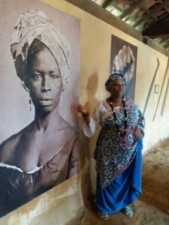

Día 5: RIO DE JANEIRO / PARATY
Day 5: RIO DE JANEIRO / PARATY
Breakfast, check-out, and transfer to the city of Paraty. Arrival and check-in.
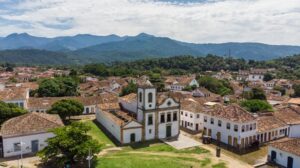
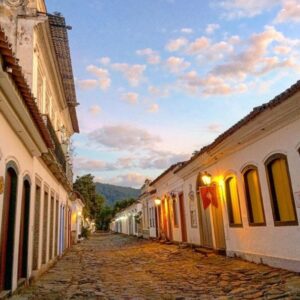
After sunset, Paraty becomes even more enchanting. The lights of the historic center give the city an air of times past. The irregular sidewalks, thick decorated walls, and colonial balconies represent its essence. Paraty is a UNESCO World Heritage site, recognized for the natural and cultural wealth found in every corner. This historic city also holds the title of "Creative City of Gastronomy." The night tour includes art studios, craft centers, and colonial facades. At the end of the walk, we will enjoy a tasting of the traditional Paraty drink, the famous "Jorge Amado." Return to the hotel.
Day 6: PARATY
Breakfast and departure for the “Quilombolas” Tour (6-hour tour).
Today we visit the community known as "Quilombo Campinho da Independência," founded at the end of the 19th century by three formerly enslaved Black women from the Independence Hacienda as the slave regime declined. These three women gained their freedom and land titles from the hacienda owner. This community is located 13km from Paraty. During the visit, we will learn about the history of the descendants, their struggle and resistance, their culture, art, and gastronomy, all while enjoying direct contact with nature.
Accompanied by a local guide, the tour begins with a story from one of the oldest residents, called a "Grio" (a possessor of ancestral knowledge). After the presentation, we will walk through the agroforestry nursery to see the community's cultivation systems. We will then visit family units and the "Casa da Farinha" (flour house), finishing at a local center displaying community crafts. Return to Paraty. Free afternoon.
Day 7: PARATY / RIO DE JANEIRO
Breakfast, check-out, and transfer to the Rio de Janeiro airport. (Can be combined with the São Paulo airport for an additional cost).
Estamos a tu disposición
Respondemos tus consultas a la brevedad.